- Gregg's Top Three Health Policy Articles
- Posts
- Gregg's Top Three Health Policy Articles
Gregg's Top Three Health Policy Articles
For the week of Jan 16-23, 2026

Gregg S. Margolis, PhD
January 23, 2026
If you can only read three things about health policy this week, I suggest...
The Top Three...
Politico: Congress’ Health Deal Still Has Hurdles After months of fruitless negotiations to extend Affordable Care Act subsidies that have since expired, congressional leaders announced Tuesday they’d notched a rare bipartisan win to overhaul other parts of the health care system. Now they just have to hold onto it. The agreement, attached to a government spending bill, would implement long-sought changes to the way pharmacy benefit managers operate, as well as extensions of public health programs and increased funding for community health centers. But even with strong support in both chambers, the bill faces significant hurdles. (King, Chu and Guggenheim, 1/22)
The New York Times: Big Insurers Try To Shift Blame For High Health Costs To Hospitals And Drug Makers In response to palpable, bipartisan frustration among lawmakers over soaring costs for medical care, the chief executives of the country’s largest health insurers on Thursday attempted to place the blame on others, namely hospitals and drug makers. But the executives, summoned to appear at back-to-back House hearings on the affordability of health care, said little that seemed to appease congressional representatives seeking ways to hold the insurance industry accountable. (Abelson, 1/22)
MedPage Today: Health Groups Pleased With Proposed NIH Budget In Bipartisan Funding Bill Health groups praised many of the provisions in the joint House-Senate bill that would fund the NIH and several other agencies under HHS for fiscal year 2026. "Even in these challenging times, the bill increases the overall NIH budget and includes new protections to help the agency fulfill its lifesaving mission," Mary Woolley, president and CEO of Research!America, a nonprofit science advocacy group, said in a statement. (Frieden, 1/21)
For a Deeper Dive...
Stat: U.S. Makes Exit From The WHO Complete The United States’ withdrawal from the World Health Organization became official Thursday, formalizing a fissure between the Trump administration and the Geneva-based global health agency that dates back to the early days of the Covid-19 pandemic. (Branswell, 1/22)
Politico: Republicans Will Be Hard-Pressed To Pass Trump’s ‘Great Healthcare Plan’ President Donald Trump announced his “Great Healthcare Plan” to little fanfare on Capitol Hill last week. The question now is how willing and able congressional Republicans will be to actually pass any of it into law after stumbling for years over politically toxic plans to undo Obamacare. The prognosis is not encouraging for the White House. (Lee Hill, Guggenheim and Carney, 1/20)
Modern Healthcare: Health Insurance CEOs To Face Daylong Grilling On Capitol Hill Congress has agreed on little after a year of sparring over escalating healthcare costs and shrinking subsidies, with a notable exception: Big health insurance companies are not helping. On Thursday, the CEOs of five of major insurers will face a daylong grilling on Capitol Hill, where they will get to make their case before two separate House committees, and likely be targets for pent up anger from both sides of the aisle. (McAuliff and Tepper, 1/21)
Fierce Healthcare: Blue Shield CEO: Hearings Highlight Need For 'Systemic' Change Paul Markovich, CEO of Ascendiun, the parent company of Blue Shield of California, and one of the executives called to the panel, told Fierce Healthcare that the long debate ultimately proves that problems of this magnitude require massive changes. (Minemyer, 1/22)
AP: Trump Administration To Block Foreign Aid From Those Promoting Abortion, DEI And Gender Identity The Trump administration is expanding its ban on U.S. foreign aid for groups supporting abortion services to include assistance going to international and domestic organizations and agencies that promote gender identity as well as diversity, equity and inclusion programs. An administration official said Thursday that the State Department would release final rules that expand the scope of the “Mexico City” policy that has already severely reduced assistance to international organizations that provide abortion-related care. The policy was first established under President Ronald Reagan, rescinded by subsequent Democratic administrations and reinstated in Trump’s first term. (Lee and Swenson, 1/22)
You Might Also Enjoy...
Health Affairs: Growth In National Health Expenditures: It’s Not The Prices Stupid. ME Chernew. Key point: “The main driver of spending growth is greater volume and intensity of care. Volume refers to the number of encounters (admissions, visits, etc.) and intensity refers to the mix of services (high-cost versus low-cost admissions, shifts from an inpatient to an outpatient setting or from an office to a hospital outpatient department, or the use of expensive vs less-expensive drugs).”
For the Visual Among Us...

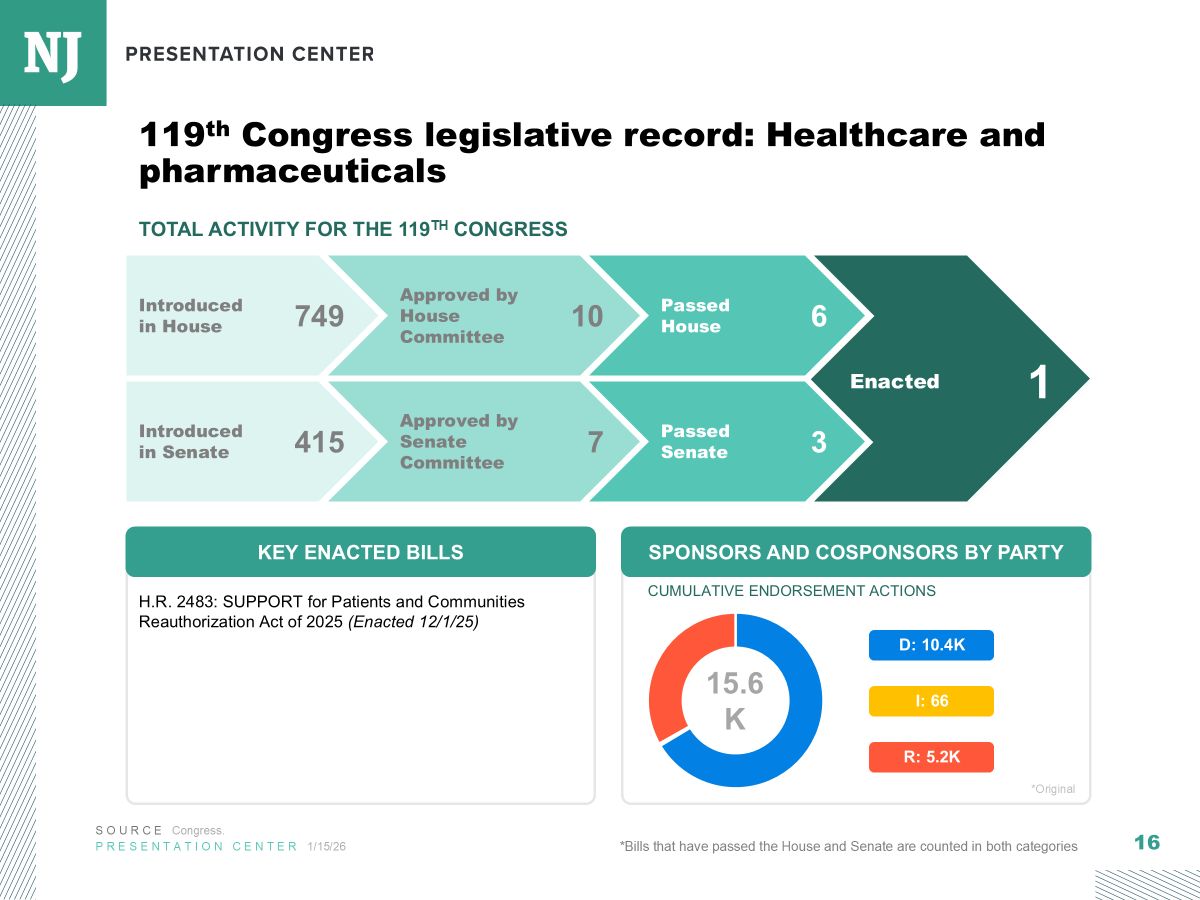


A few years ago I started a weekly e-mail for friends and colleagues who want to keep up on major federal health policy developments but did not have time to plod through all the minutiae--they were busy doing important things like running organizations and taking care of patients! Much to my surprise, it became pretty popular. I have now converted to a weekly newsletter format so you can manage your own subscription preferences and forward to others that might be interested.
These summaries represent my judgement on health policy issues that may not on the front pages, but are relevant to clinicians, administrators, and educators. I monitor many news sources and clipping services to identify content for this newsletter and I try hard to be as factual, balanced, and non-partisan as possible. While the articles are written by others (with credit attributed), the choice of what to include is entirely mine. If you are interested in receiving a daily summary of health policy news, you might consider signing up for the KHN Morning Briefing. If you enjoy podcasts, I suggest What the Health? and Tradeoffs.
-Gregg S. Margolis, PhD