- Gregg's Top Three Health Policy Articles
- Posts
- Gregg's Top Three Health Policy Articles
Gregg's Top Three Health Policy Articles
For the week of Mar 13-20, 2026

Gregg S. Margolis, PhD
March 20, 2026
If you can only read three things about health policy this week, I suggest...
The Top Three...
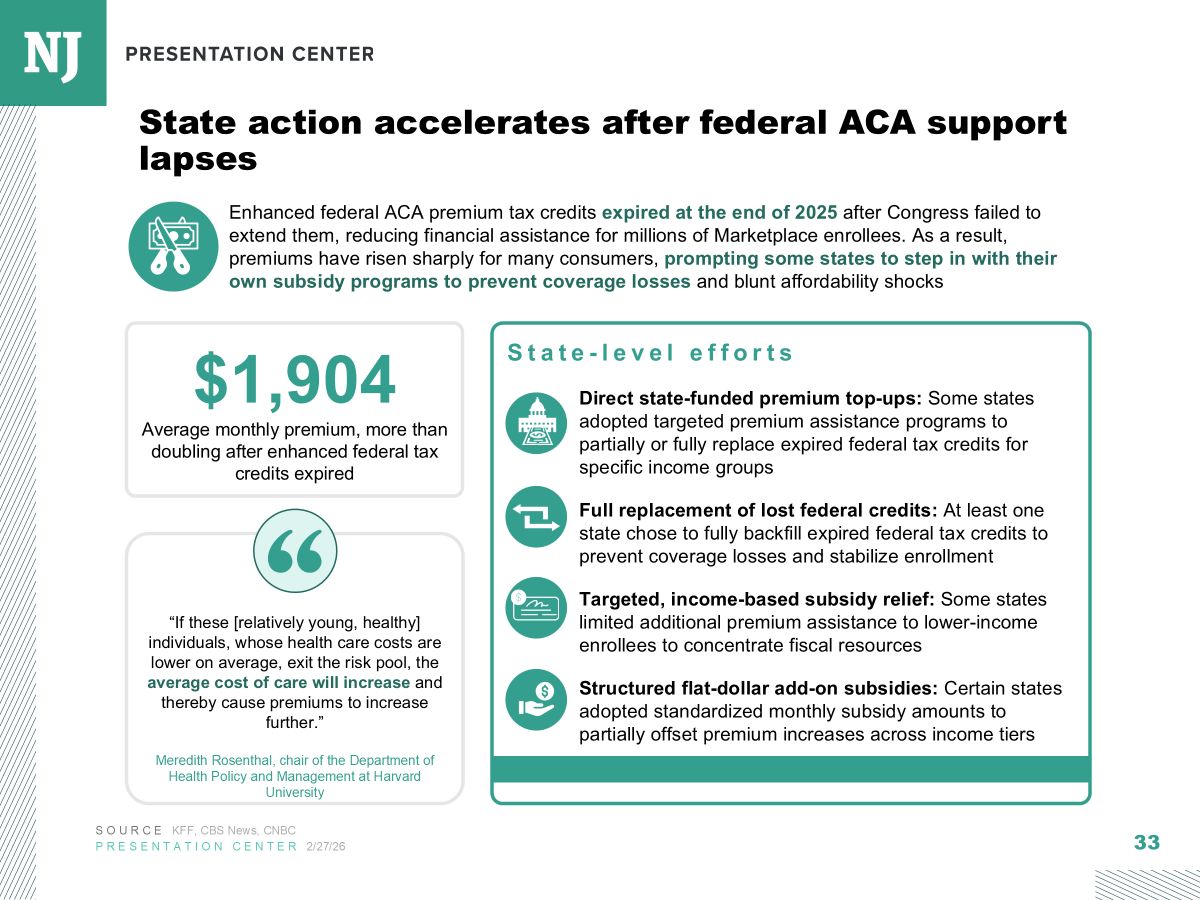
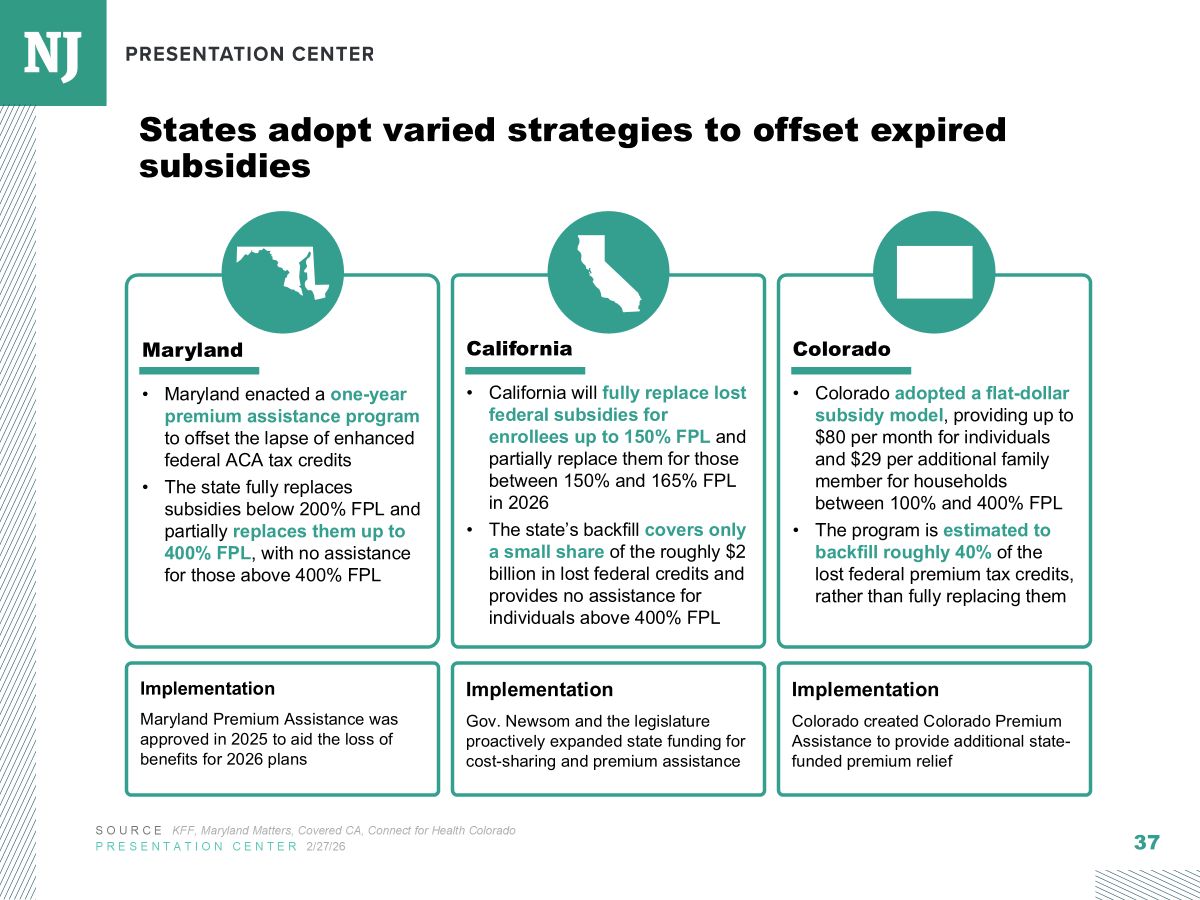
The Wall Street Journal: Millions Of Americans Are Going Uninsured Following Expiration Of ACA Subsidies Nearly one in 10 people who had Affordable Care Act plans last year dropped health insurance altogether, after premium costs rose sharply because of the expiration of federal subsidies, according to a new survey. Most of those who remained in ACA plans reported larger out-of-pocket healthcare expenses in the form of higher copays, coinsurance or deductibles, according to the survey from health-research nonprofit KFF. About one-sixth of those who still have ACA coverage, or 17%, weren’t sure they would be able to afford their new premium payments for the entire year, indicating more people might drop insurance as the year goes on. (Wilde Mathews, 3/19)
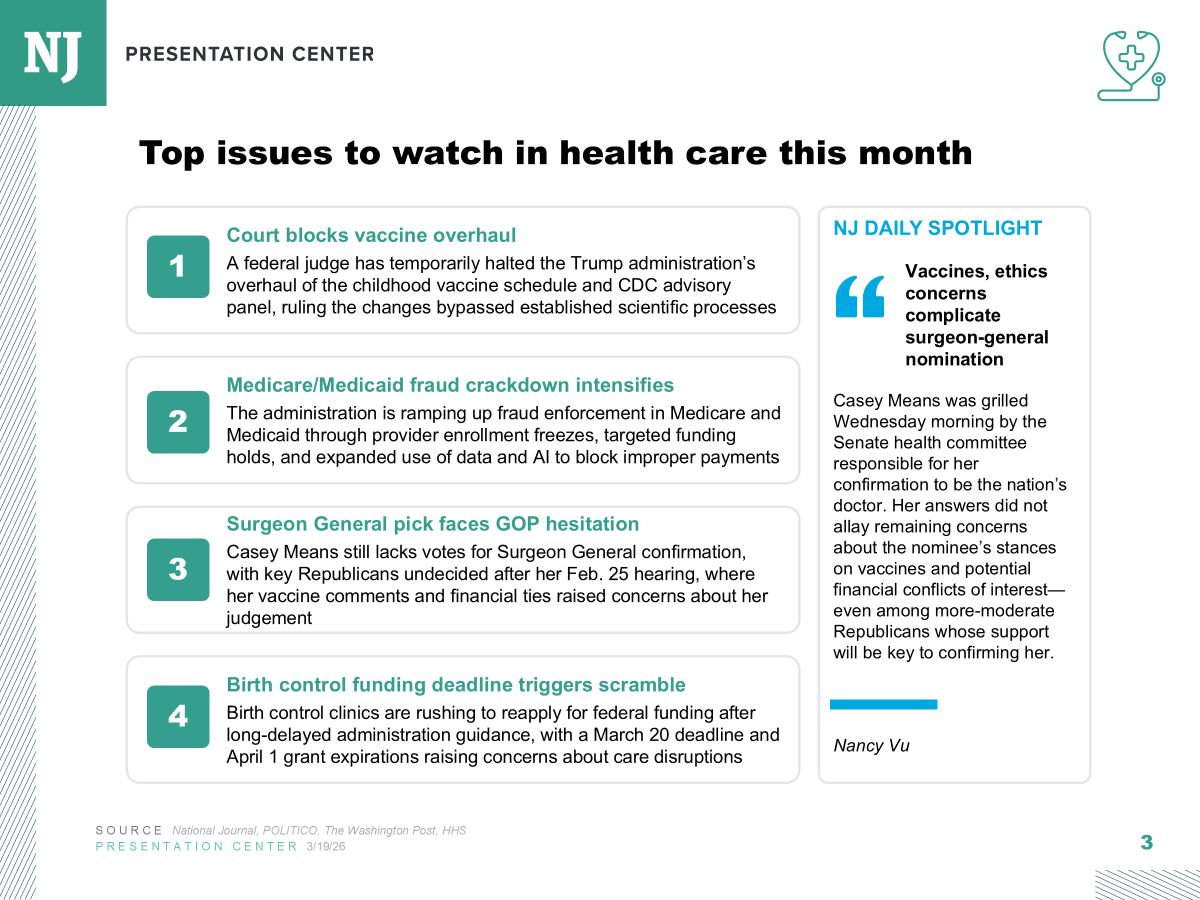
The New York Times: Ruling On RFK Jr.’s Vaccine Policy Changes Leaves Health Groups Scrambling On Tuesday, experts in public health, law and government said they were still trying to understand its ramifications. In at least one case, some unintended harm may result: The decision leaves unresolved questions about the status of a shot that protects against respiratory syncytial virus, or R.S.V., the leading cause of hospitalization among infants. That shot may no longer be available for free to children who need it because its inclusion was authorized by the current vaccine advisers. (Mandavilli, 3/17)
The Wall Street Journal: White House Puts RFK Jr.’s HHS on Tighter Leash After MAHA Setbacks The White House is more tightly controlling the messaging and policies—including around vaccines—coming from the Department of Health and Human Services ahead of the midterm elections, according to people familiar with the matter. Aides close to President Trump decided to take a more active role in managing Robert F. Kennedy Jr.’s department in the face of polling that shows his vaccine moves are unpopular, the people said. Although Trump brought Kennedy into his administration with the promise that the vaccine skeptic and ultraprocessed-food critic could “go wild on health,” administration officials grew increasingly frustrated with what they viewed as foul-ups inside Kennedy’s department, according to people familiar with the matter. Aides close to Trump grew worried that perceived disorganization and a focus on vaccines could damage the president’s party in November, those people said. (Whyte and Andrews, 3/13)
For a Deeper Dive...
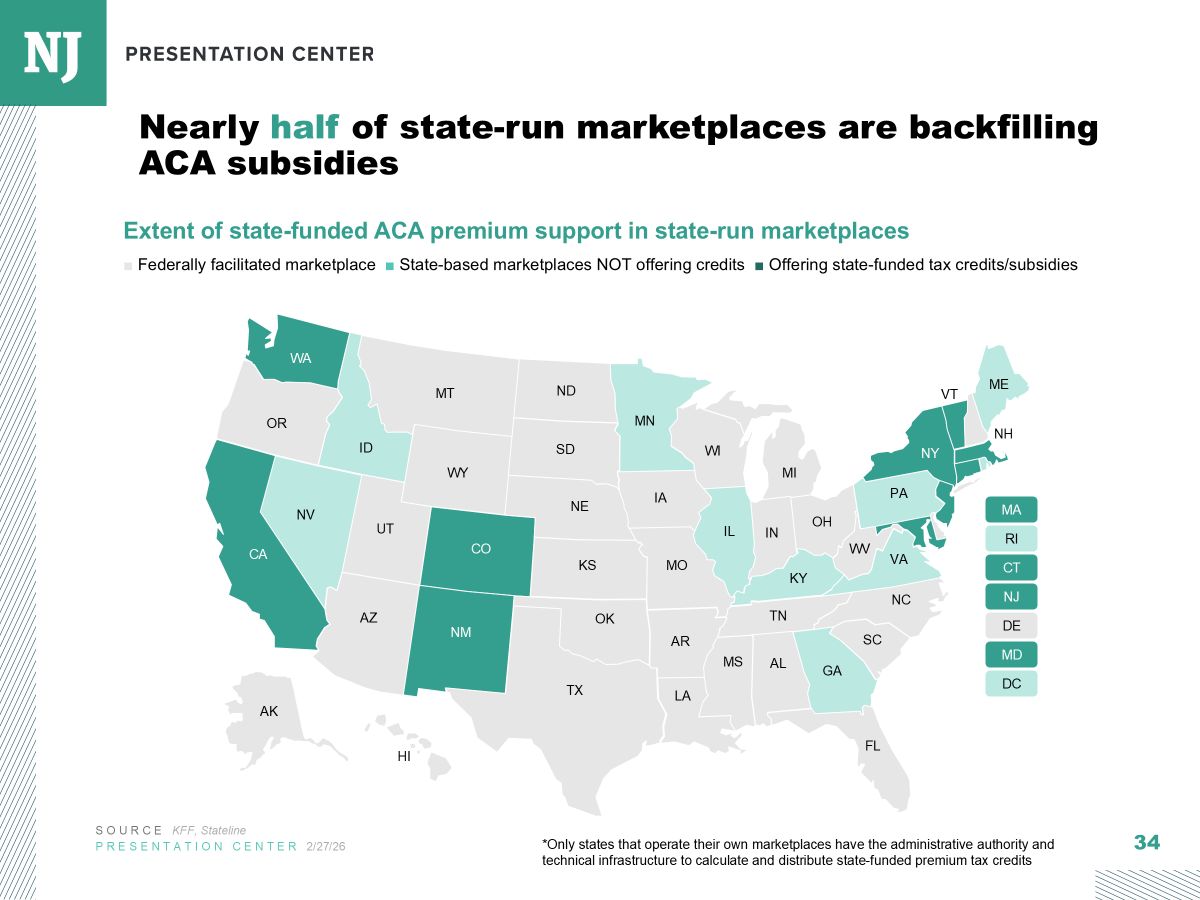
Politico: The Trump Health Care Policy Red And Blue States Are Embracing More states are encouraging businesses to help employees sign up for Obamacare. They’re using a policy backed by President Donald Trump — the same Donald Trump who spent much of the fall deriding Obamacare as the “Unaffordable Care Act” — to do it. (Hooper, 3/15)
AP: Georgia Woman Faces Murder Charge In Medication Abortion Case A 31-year-old Georgia woman has been charged with murder by police who say she took pills to induce an illegal abortion. If state prosecutors decide to move forward with the murder charge brought by local police against Alexia Moore, her case would be one of the first instances of a woman being charged for terminating a pregnancy in Georgia since it passed a 2019 law banning most abortions. (Bynum, 3/19)
KFF Health News: Many ACA Customers Are Paying Higher Premiums. Most Blame Trump And Republicans, Poll Finds Most people who get their health coverage through the Affordable Care Act say they face sharply higher costs, with many worried they will have to pare back other expenses to cover them, according to a poll released Thursday. Some are uncertain whether they will be able to continue paying their premiums all year. Still, 69% of those enrolled last year signed up again this year, often for less generous coverage. About 9% said they had to forgo insurance, according to the survey by KFF, a health information nonprofit that includes KFF Health News. (Appleby, 3/19)
Stat: Senate Democrats Lay Out Plans To Overhaul Health Insurance Democrats are laying out their plans to rebuild the health care system in the hopes of eventually regaining control of Congress and the White House. On Thursday, a dozen Senate Democrats proposed a framework for private health insurance with the goal of making it affordable, and more standardized and simple. (Wilkerson, 3/19)
KFF Health News: Evidence Shows ACA’s Mandated Benefits Alone Don’t Drive Up Costs. The Debate Continues In January, when President Donald Trump unveiled his one-page outline to address health care spending, dubbed “The Great Healthcare Plan,” he specifically mentioned the Affordable Care Act’s role in driving up costs. “I call it the unaffordable care act,” he said. He reprised the line in his 2026 State of the Union address, blaming “the crushing cost of health care” on Obamacare. (Appleby and Boden, 3/18
Fierce Healthcare: Bipartisan Bill Would Exempt Health Workers From $100K Visa Fee Lawmakers introduced a bipartisan bill Tuesday that would exempt physicians and other healthcare workers from a $100,000 fee for H-1B visa petitions critics said would exacerbate workforce shortages. The Physicians and the Healthcare Workforce Act (PDF) is endorsed by a slew of provider and hospital associations. Alongside addressing the elevated, $100,000 fee outlined in President Donald Trump’s September executive order and implemented by the Department of Homeland Security (DHS) shortly after, it would also block additional fees for healthcare workers beyond those already outlined in immigration law. (Muoio, 3/17)
For the Visual Among Us...
A few years ago I started a weekly e-mail for friends and colleagues who want to keep up on major federal health policy developments but did not have time to plod through all the minutiae--they were busy doing important things like running organizations and taking care of patients! Much to my surprise, it became pretty popular. I have now converted to a weekly newsletter format so you can manage your own subscription preferences and forward to others that might be interested.
These summaries represent my judgement on health policy issues that may not on the front pages, but are relevant to clinicians, administrators, and educators. I monitor many news sources and clipping services to identify content for this newsletter and I try hard to be as factual, balanced, and non-partisan as possible. While the articles are written by others (with credit attributed), the choice of what to include is entirely mine. If you are interested in receiving a daily summary of health policy news, you might consider signing up for the KHN Morning Briefing. If you enjoy podcasts, I suggest What the Health? and Tradeoffs.
-Gregg S. Margolis, PhD